Starship Flight 13 was a major success, with spectacular views at the end
Flight 13 - the second of Version 3 - failed to launch at the first attempt, on Thursday 16th July. This Starship test program is all about gathering real-life data. A minor issue with the launch hardware caused the scrub, providing yet another learning opportunity.
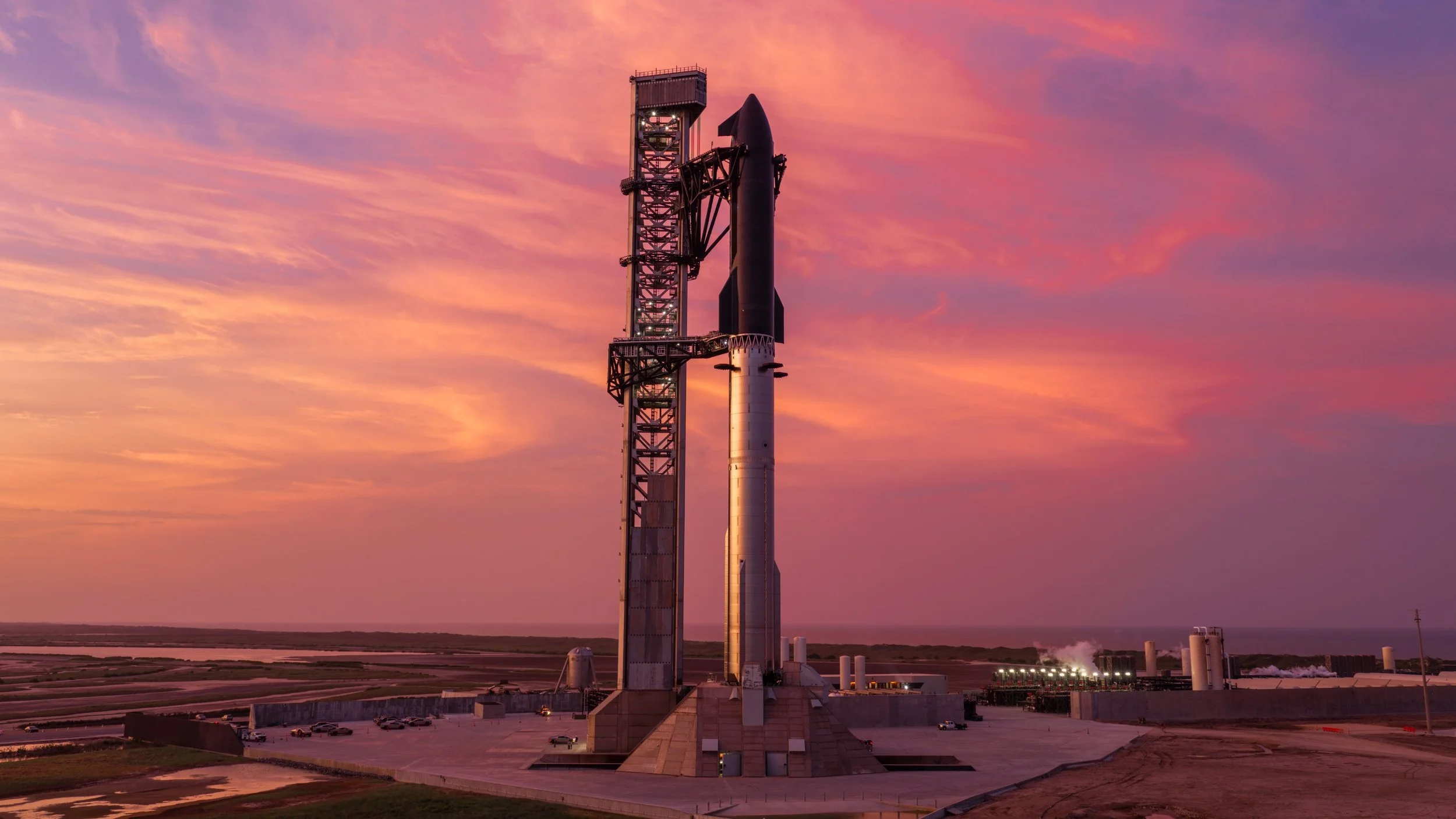
Flight 13 on the launch pad. Credit: SpaceX
On Friday 24th July 2026, at 5.51pm (local time), Starship lifted off from Starbase, Texas. All 33 Raptor engines of the Super Heavy booster successfully ignited and continued working well. SpaceX pushed for an even faster, more powerful ascent through the lower atmosphere than ever before - keeping a close eye on the ship’s heatshield tiles for any problems as a result of this additional deliberate stress. The views from the onboard cameras were immediately awesome, seemingly slightly better than previous flights (which is saying something, because SpaceX have always been way ahead of anyone else in this regard).
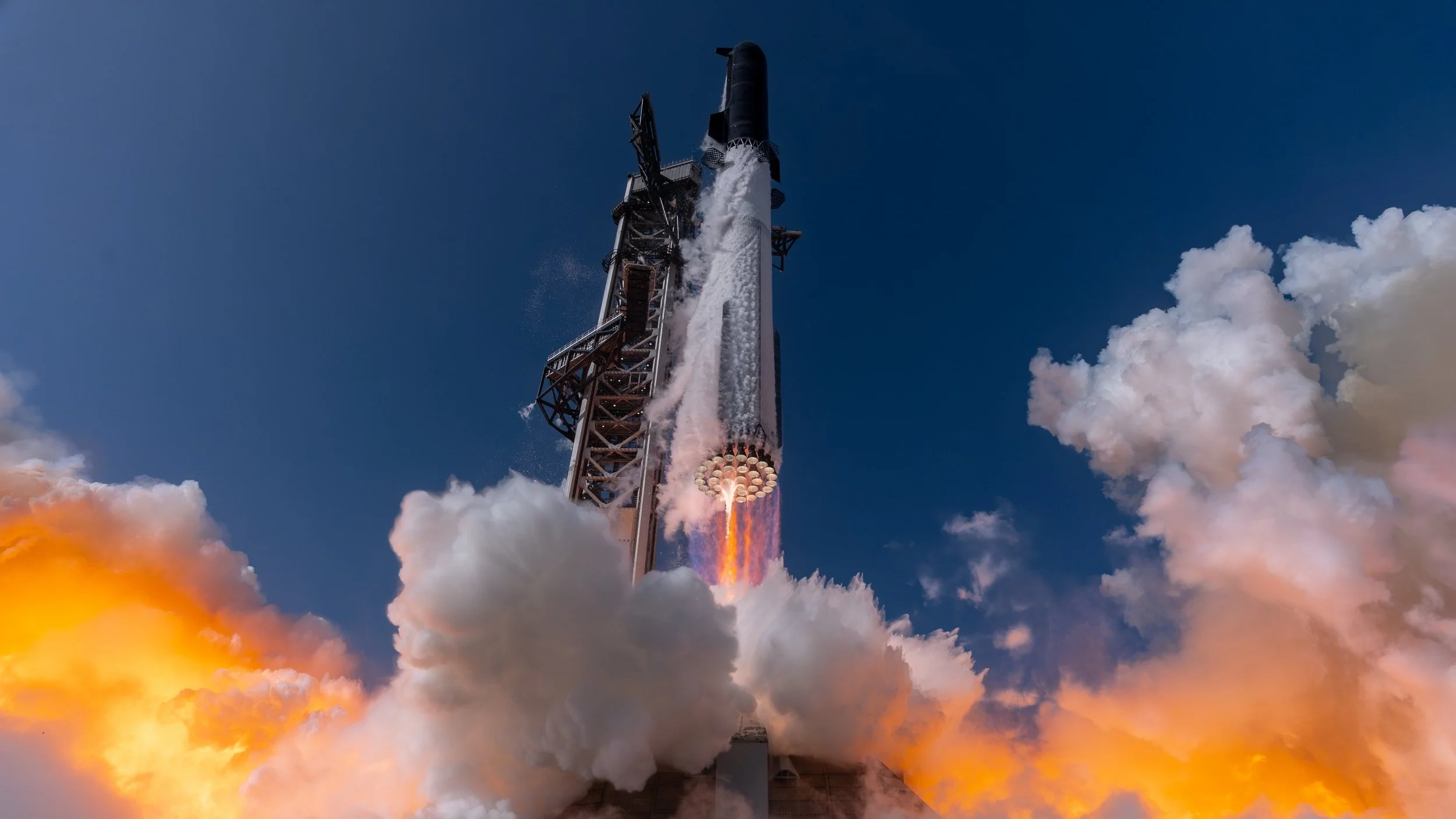
Liftoff! Credit: SpaceX
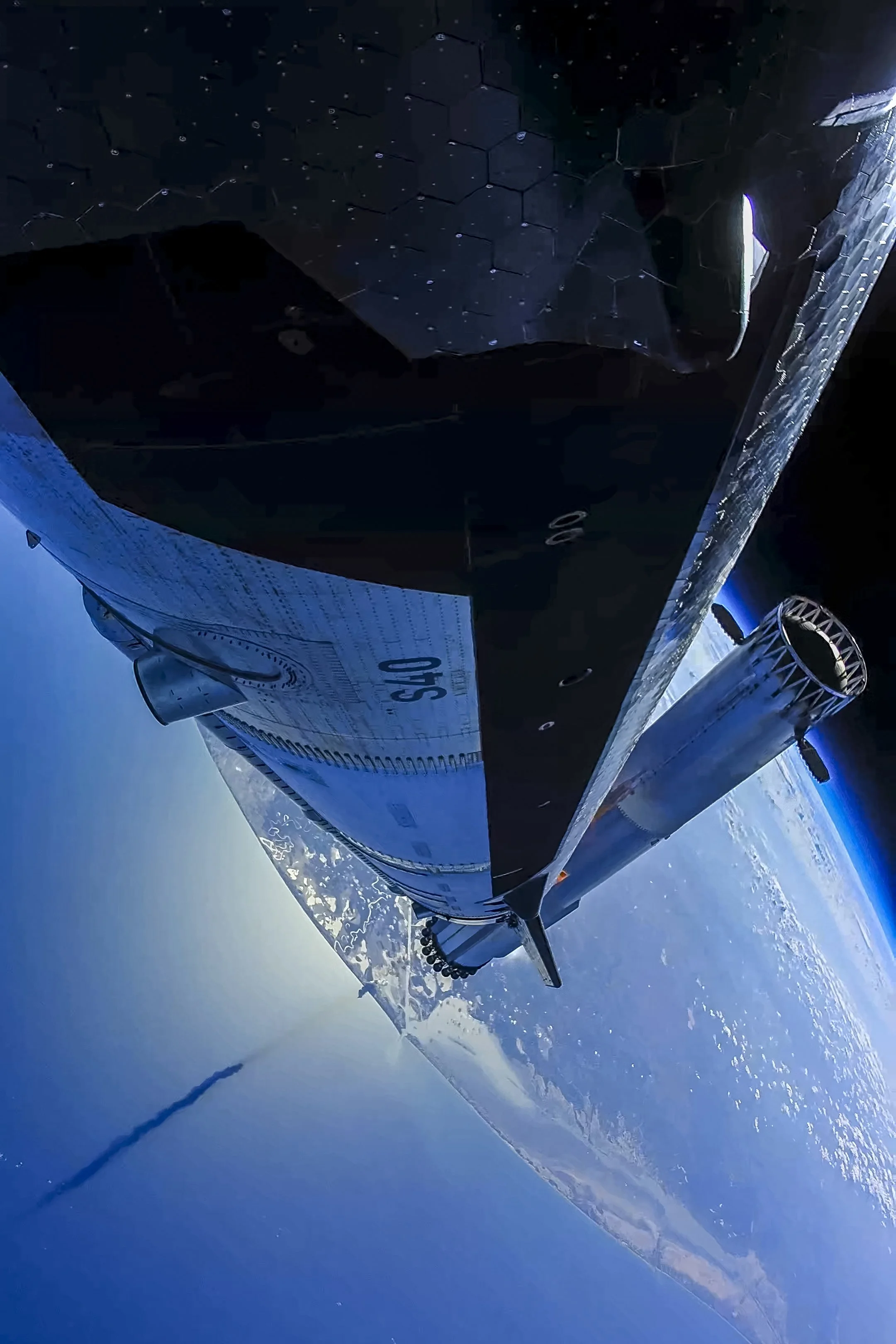
Stage separation. Credit: SpaceX
Stage separation was followed with Super Heavy achieving a good boostback burn - a clear improvement after it underperformed during Flight 12. There was then a landing burn, but with only 10 of the planned 13 Raptor engines reignited, prior to a hard splashdown in the Gulf of America. So V3 of Super Heavy still has room for improvement, to match how this first stage had consistently worked well in its earlier configuration.
Meanwhile, the upper stage Starship had successfully ignited all of its six Raptor engines, and soon achieved its desired velocity and trajectory.
Starship then successfully deployed a payload of 20 Starlink V3 satellites (real ones, not simulators as we’d seen before). SpaceX engineers were able to successfully communicate with every satellite using radio frequency and laser links, downloading valuable telemetry from the satellites. The Starlink satellites were deployed on the pre-planned trajectory and are expected to have demised upon re-entry approximately 20 minutes after deployment. The last six Starlink satellites had spotlights to illuminate Starship, plus cameras, and we were treated with video from a different angle from that of the previous flight.
Next came an important demonstration of an in-space reignition of a single Raptor engine, crucial for future missions, which was successful.
The re-entry phase through Earth’s atmosphere is always potentially disastrous, but Starship’s heatshield, fins, and other hardware appeared to hold up extremely well - before then executing a dynamic banking move to mimic the trajectory that future missions returning to Starbase will fly.
Starship finally guided itself using its four flaps to the pre-planned splashdown zone in the Indian Ocean. After relighting all three Raptor engines, Starship executed a landing flip, landing burn, and a soft splashdown in the Indian Ocean.
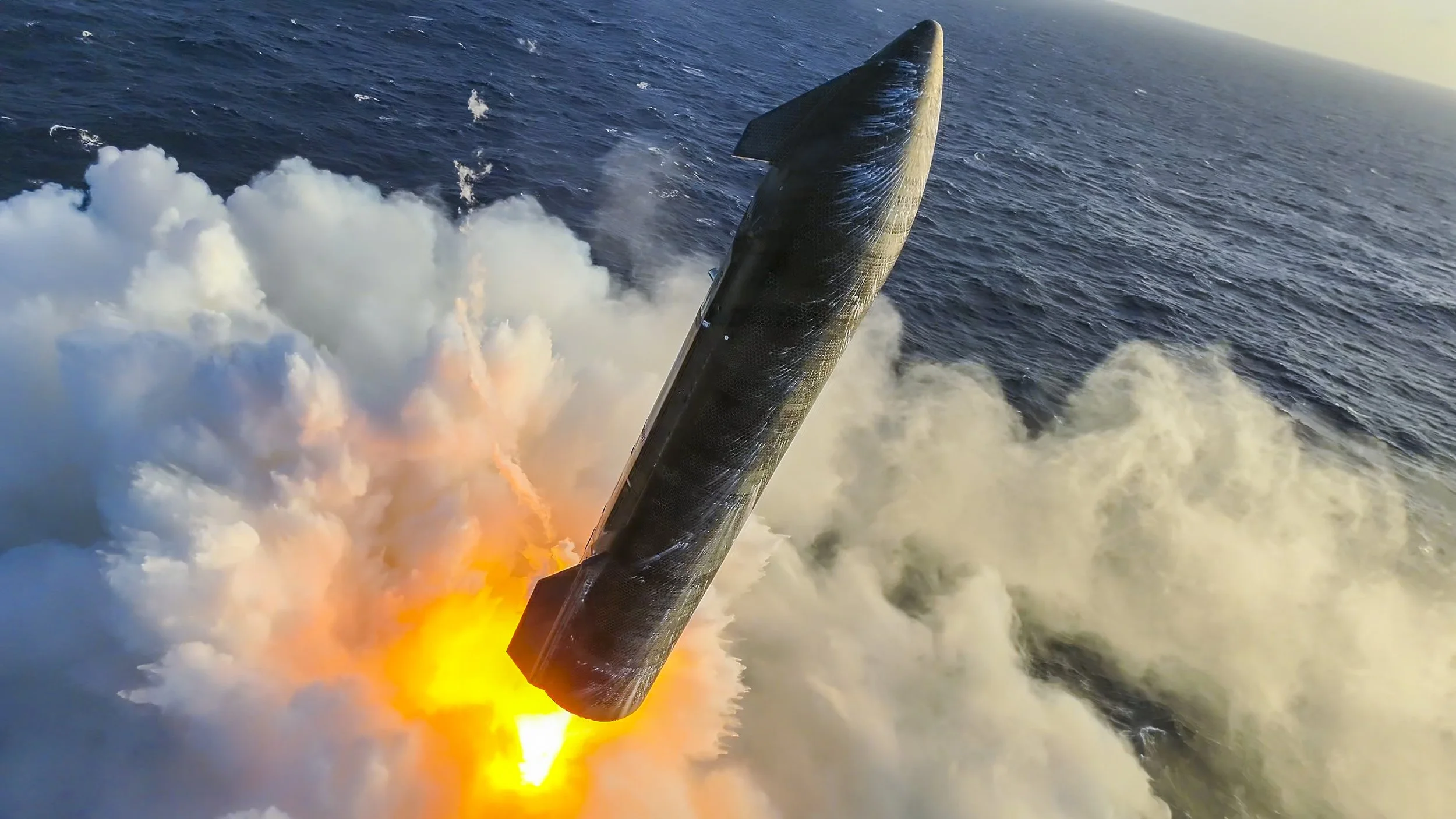
Landing burn. Credit: SpaceX
It was at this late point that the biggest surprise of all happened. It was a super-soft splashdown, with Starship coming to rest intact on the surface of the water - rather than exploding on impact as usual. A drone gave us - and, more importantly SpaceX - critical views of a mostly-intact heatshield for the first time. The drone pilot must be applauded, operating under what must have been immense pressure, for capturing this phenomenal footage. And an onboard camera within the engine bay was still streaming clear and amazing pictures of the Raptor engines from just below the sea’s surface. This end to Flight 13 was truly spectacular!
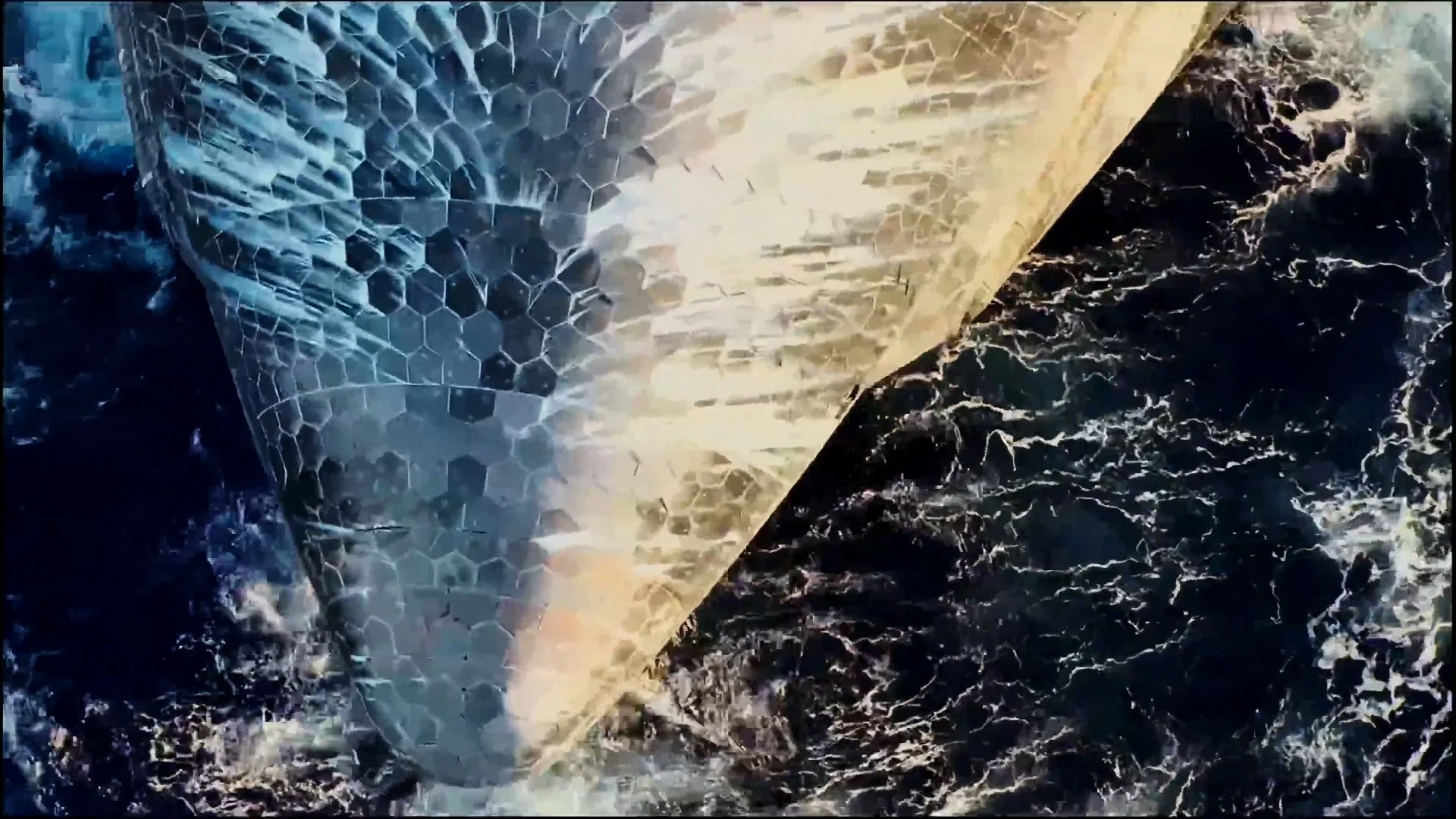
The heatshield looked mostly intact. Credit: SpaceX
Shortly after splashdown, Elon Musk commented: “Unless we discover problems after mission data review, SpaceX will attempt to catch the ship with the tower on next flight.”
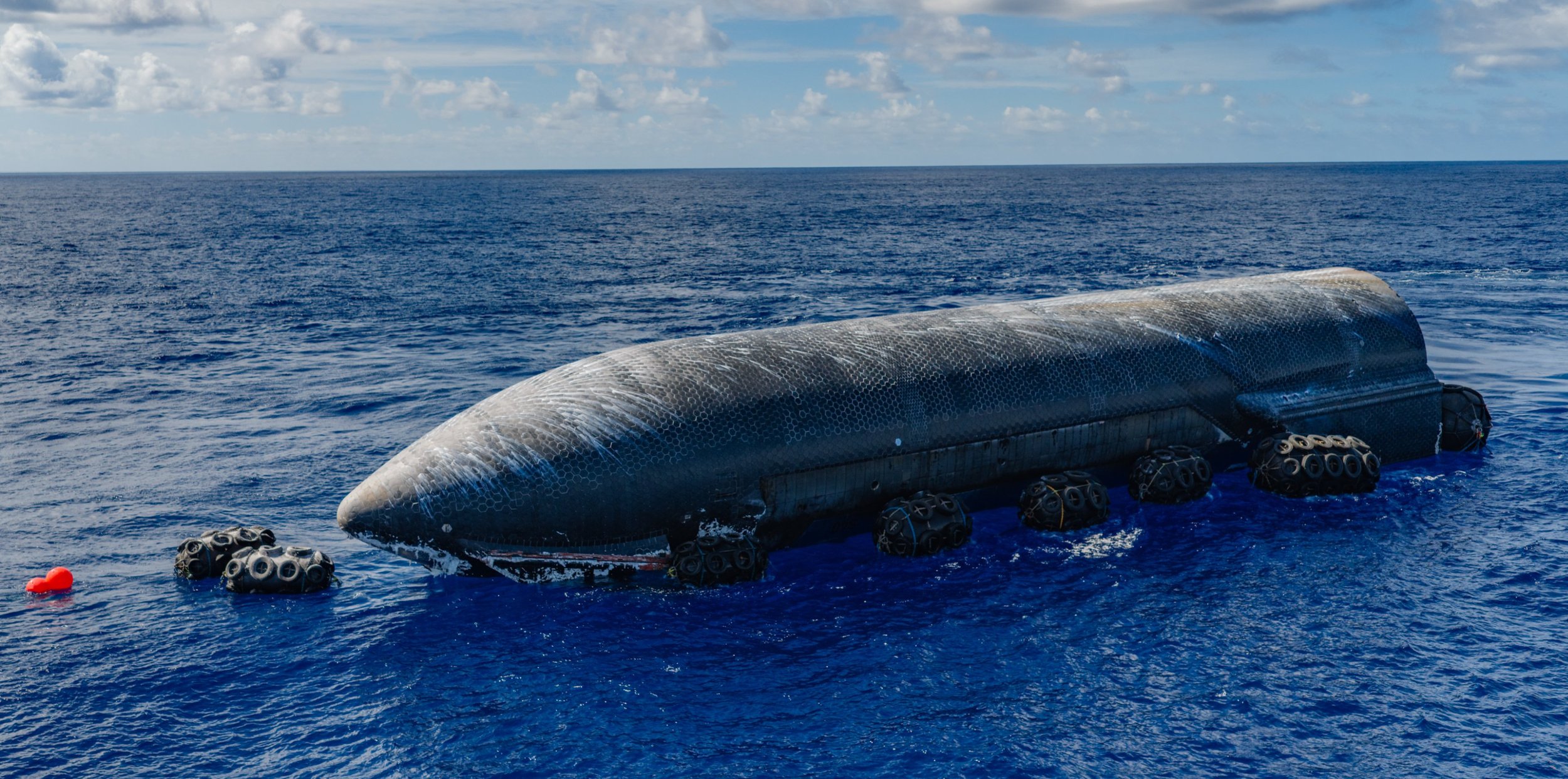
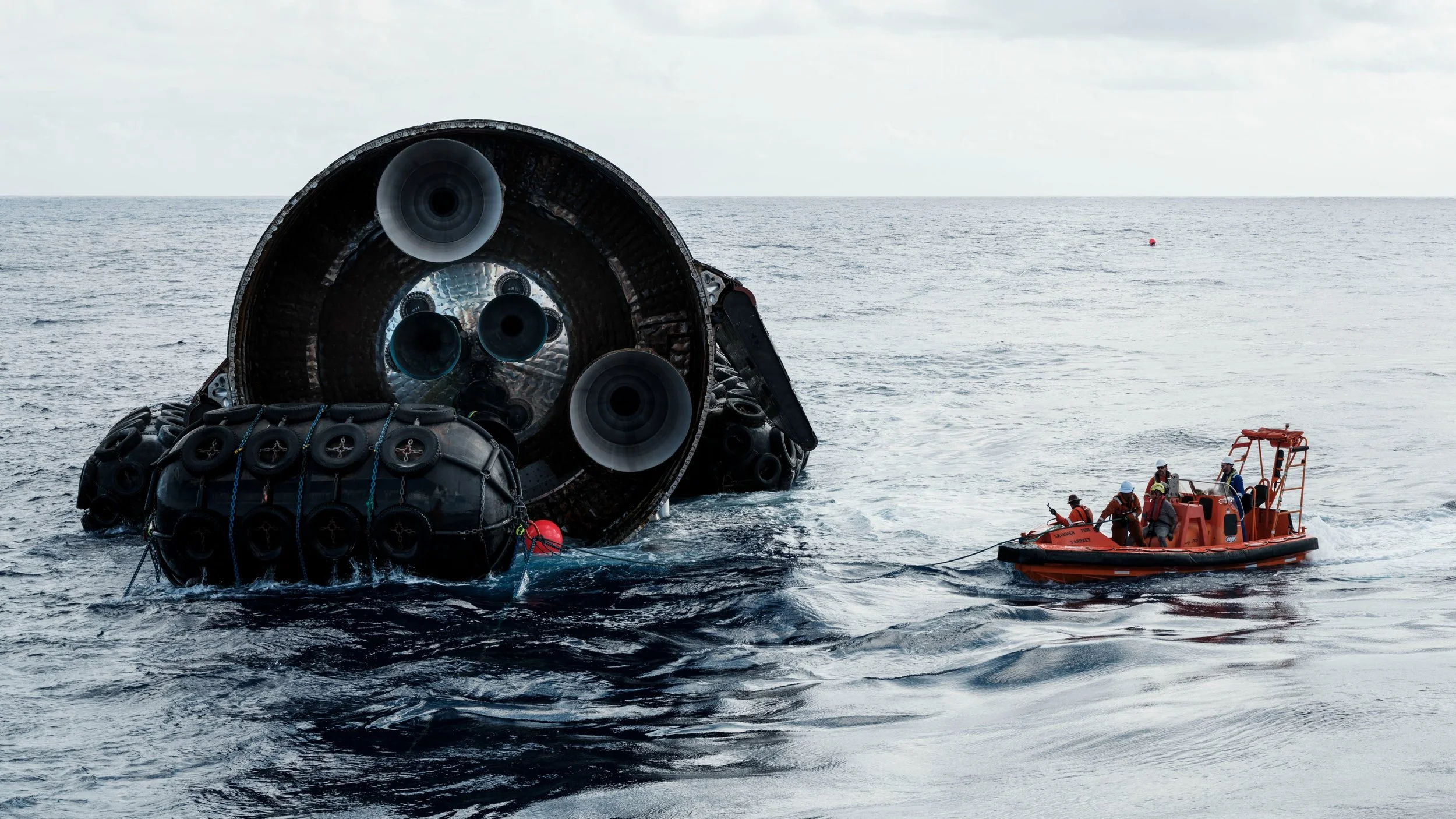
Update: SpaceX decide to attempt the recovery of Starship after it had remained afloat! Credit: SpaceX
Written by Iain Scott, 25th July 2026.